Can You Paint a Garage Door?
Yes, you can paint a garage door. Most steel garage doors can be repainted when the existing surface is properly cleaned, lightly sanded, and prepared for a new coating. Painting is a cost-effective way to refresh your home’s exterior, improve curb appeal, and give an older garage door a new appearance without replacing the entire door.
On this page:
ToggleCan You Paint a Steel Garage Door?
Yes, you can paint a steel garage door. Steel is one of the easiest garage door materials to repaint because properly prepared steel accepts exterior paint well. Before painting, clean the door thoroughly, remove loose or peeling paint, lightly sand the existing finish, and treat any exposed or rusty metal. Apply a suitable metal primer where needed, then use a high-quality exterior paint designed for the surface.
For most steel garage doors, 100% acrylic latex exterior paint is a good choice. A satin or matte finish can help hide minor surface imperfections, while glossy paint tends to make dents and uneven areas more noticeable. Always check the garage door manufacturer’s painting and warranty requirements before starting.
What You Need
-
Cleaners: Mild dish soap, sugar soap, or cleaner/degreaser
-
180- to 220-grit sandpaper and a stiff wire brush
-
Coatings: Exterior rust-inhibiting metal primer and 100% acrylic exterior latex paint (satin or semi-gloss finish)
- Application Tools: 2 to 3-inch synthetic brush, medium-nap foam/microfiber roller, paint tray
- Protection: Painter’s tape and heavy-duty drop cloths
1. Check Weather & Disconnect Power: Avoids movement during painting and protects motorized components.
- Pick the Right Day: Schedule your project for a dry day with low humidity and ambient temperatures between 50°F and 85°F. Avoid painting in direct, hot sunlight to prevent premature drying and brush marks.
- Disconnect Openers: Unplug your automatic garage door opener and pull the red emergency release cord so you can manually move the door sections as needed.
2. Clean, Remove Rust, and Sand: Ensures primer and paint bond properly to metal.
-
Scrub the Surface: Wash down the entire door with mild dish soap or sugar soap to remove dirt, grease, and chalky oxidation. Rinse thoroughly with clean water and let dry.
-
Address Rust Spots: Use a stiff wire brush to scrape away any loose paint or surface rust down to bare metal.
- Scuff-Sand: Lightly sand the entire door using 180- to 220-grit sandpaper to scuff the smooth surface. Wipe away all fine dust using a microfiber rag or tack cloth.
3. Mask Areas and Apply Metal Primer: Protects surrounding areas and bare metal surfaces.
-
Protect Surrounding Surfaces: Mask off door handles, lock hardware, side trim, windows, and rubber weather seals using painter’s tape. Lay drop cloths along the driveway beneath the door.
- Prime Bare Metal: Apply a coat of rust-inhibiting exterior metal primer to any bare steel, sanded spots, or rusted areas. Let the primer cure according to the manufacturer’s directions.
4. Paint the Door (Two Coats): Delivers an even, streak-free exterior finish.
-
Paint Recessed Panels First: Use an angled sash brush to paint inside the panel grooves, details, and recessed edges.
-
Roll the Flat Areas: Roll the larger flat panels and stiles using a mini roller, working in sections from top to bottom.
- Coat & Tape Removal: Apply a thin, even first coat of 100% acrylic exterior latex paint. Allow it to dry for 12 to 24 hours, then apply a second coat for full durability. Gently peel off painter’s tape while the final coat is still slightly damp to prevent peeling.
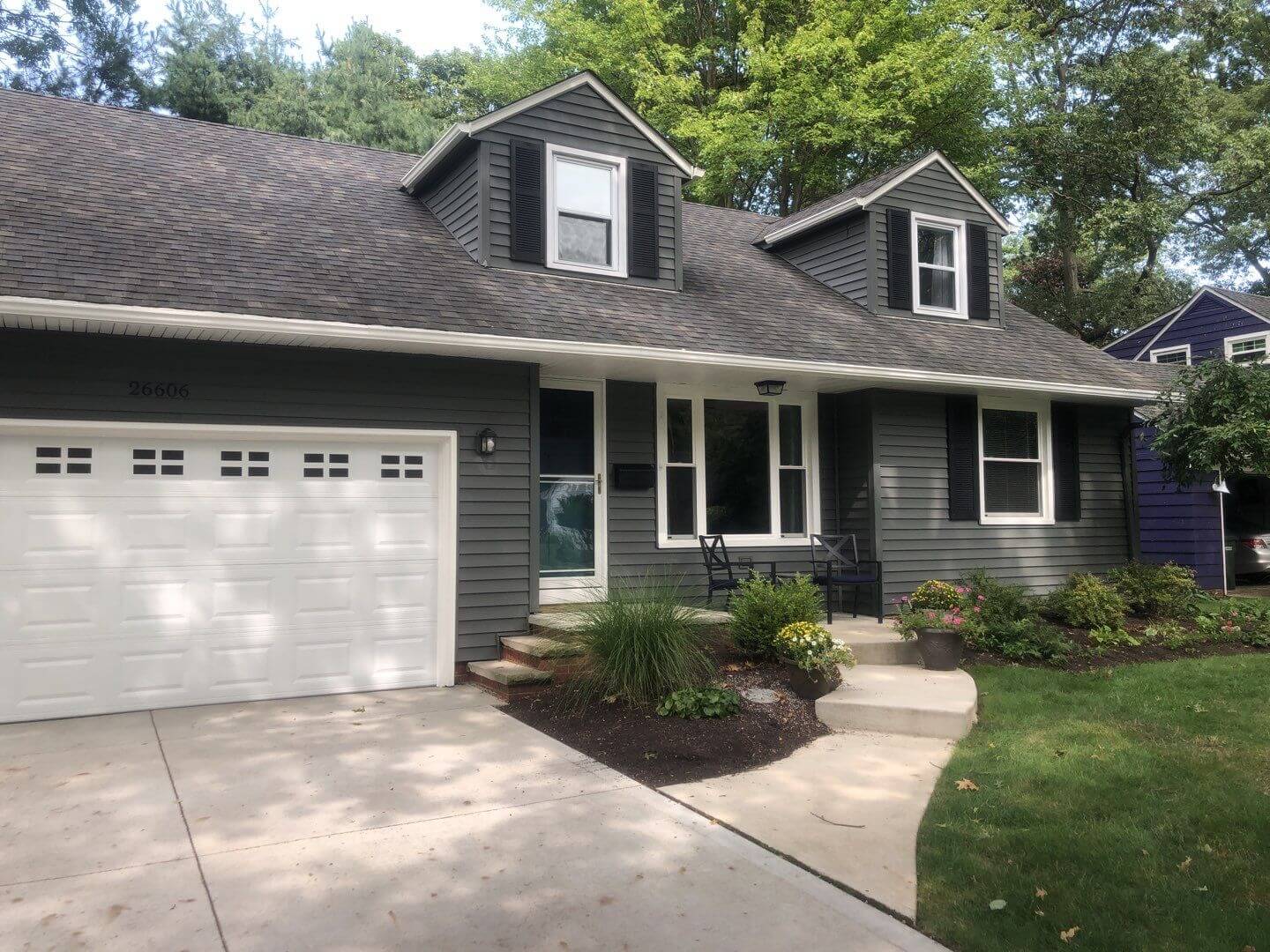
Painting your garage door is one of the most effective ways to boost curb appeal and protect your home. A freshly painted garage door doesn’t just improve the look of your property, it also provides long-term protection against the elements.
Tommy Mello, owner of Don’s Garage Doors, provides garage door repair in Columbus and explains, “The garage door is the number one ROI on investment you can make to your home. It’s the smile of your home. A well-maintained, freshly painted garage door adds instant curb appeal and shows a home that’s been properly cared for.”
Is It Worth Painting a Garage Door?
Yes, painting a garage door is usually worth it when the door is structurally sound and you want to improve its appearance. A fresh coat of paint can update the color, cover fading or surface wear, and improve curb appeal for much less than replacing an otherwise functional garage door.
Painting is most worthwhile when the door still operates properly and does not have major structural problems. If the door has severe rust, warped or damaged panels, rotting wood, or failing hardware, painting will only improve the appearance and may not be the best long-term investment.
With proper preparation and care, a painted garage door can typically last about 5 to 10 years before it needs to be repainted.
Benefits of Painting Your Garage Door
A painted garage door enhances your home’s visual appeal, but the benefits go beyond looks. The fresh paint acts as a protective barrier, preventing rust, peeling, and fading caused by weather. It also increases your home’s value, which can be particularly important if you’re considering selling in the future. Tommy emphasizes, “A freshly painted or upgraded garage door makes your home more appealing to buyers. It’s the first thing people notice!”
Choosing the Right Paint and Finish
When painting your garage door, using the right type of paint is essential. Exterior-grade paints, like acrylic latex for both metal or wood, offer the best protection and durability. For the finish, satin or matte finishes are ideal as they resist dirt and scratches while providing an attractive sheen. Glossy finishes are sleek and modern but tend to show imperfections more easily.
As for color, it’s important to choose one that complements your home’s exterior. Tommy Mello explains, “Your garage door should blend with your home’s exterior.” Neutral colors like white, beige, or gray work well for traditional homes, while bolder shades such as navy or charcoal are perfect for more modern designs.
How to Prep Your Garage Door Before Painting
Proper preparation is key to a long-lasting finish. We start by thoroughly cleaning the door to remove dust, dirt, and debris. Sanding the surface helps smooth out rough spots and provides better adhesion for the paint. For metal doors, we prime the surface to improve paint adherence and prevent rust from bleeding through. If your door has rust, additional prep will be necessary to treat it properly.
When it comes to application, spraying provides a smooth, even finish but requires more preparation and equipment to control overspray. Brushing or rolling the paint gives more control over the process, though it may leave visible brush marks.
How to Paint a Garage Door
- Clean the door: Remove dirt, dust, grease, mildew, and chalky residue with an appropriate exterior cleaner.
- Inspect the surface: Look for peeling paint, rust, dents, cracks, and exposed metal.
- Sand the finish: Lightly scuff glossy areas and smooth loose or peeling paint so the new coating can adhere properly.
- Prime bare metal: Apply a suitable rust-inhibiting or bonding primer to exposed steel and properly prepared rusty areas.
- Choose the paint: Use a high-quality exterior paint that is compatible with your garage door material.
- Apply the paint: Use a brush or roller for controlled application, or spray the door when a smooth, even finish is desired and overspray can be properly controlled.
- Allow it to dry: Follow the paint manufacturer’s drying and recoat instructions. Avoid closing a sectional garage door while the paint is still tacky because painted panels can stick together.
For the best results, paint on a dry day when temperatures are within the range recommended by the paint manufacturer, and avoid painting the door in intense direct sunlight.
How Long Will a Painted Garage Door Last?
A properly prepared and painted garage door can last about 5 to 10 years before another coat is needed. Longevity depends on the door’s material, surface preparation, paint quality, exposure to sunlight and moisture, and how well the finish is maintained.
A good paint job starts with preparation. Cleaning, sanding, repairing surface problems, and priming exposed metal can make a significant difference in how well the new finish adheres and how long it lasts.
How Much Does It Cost To Paint My Garage Door?
Several factors affect the cost of painting your garage door. Understanding these elements can help you plan your project effectively. However, for an accurate price, a thorough in-person assessment is necessary.
- Size and Design: Larger or custom doors take more time to paint, which increases costs. Single-panel doors are generally less expensive to paint than multi-panel ones.
- Material: Wooden doors require more prep work (sanding, priming) than steel or aluminum doors, which are easier to paint.
- Condition: Doors in poor condition (rust, peeling, dents) need additional prep, raising the cost. Well-maintained doors are cheaper to paint.
- Paint and Finish: High-quality paints with UV or weather protection may cost more but save money in the long run by preventing damage.
While these factors give you a general idea, for a true and accurate price, we recommend scheduling a free no obligation estimate.
Get Expert Garage Door Painters Near You!
Upgrading or painting your garage door is a smart investment that enhances curb appeal, adds value to your home, and creates a more attractive, cohesive exterior. By using high-quality paint, selecting the right finish, and ensuring proper preparation, you can ensure a lasting and beautiful result. With expert services from Textbook Painting, you can make the most of your home improvement project.
Ready to transform your garage door? Textbook Painting offers expert services to help you get the job done right. Contact us today for a free estimate on painting your garage door!