How to Choose the Best Exterior Concrete Primer
Not all concrete surfaces require the same type of primer. The best exterior concrete primer depends on the condition of the surface, the amount of moisture exposure, and the type of coating being applied.
Concrete presents unique challenges because it is naturally porous, alkaline, and often exposed to moisture. Without the proper primer, paint and coatings can peel, blister, or wear prematurely.
Best Primer for Bare Concrete
Bare concrete is highly porous and can absorb paint unevenly. A quality masonry bonding primer penetrates the surface and creates a strong foundation for the finish coat.
A masonry primer is typically recommended when painting:
- New concrete patios
- Walkways
- Driveways
- Concrete foundations
- Retaining walls
- Concrete porch floors
The primer helps reduce uneven absorption while improving adhesion and long-term durability.
Best Primer for Previously Painted Concrete
Previously coated concrete can create adhesion challenges, especially when the existing paint is glossy, peeling, or weathered.
Before priming:
- Remove loose or peeling paint.
- Clean dirt, mildew, and chalky residue.
- Repair cracks or damaged areas.
- Apply a bonding primer designed for masonry surfaces.
The primer helps bridge the old coating and the new finish system, reducing the likelihood of future peeling.
Best Primer for Concrete with Moisture or Efflorescence
One of the most common causes of paint failure on concrete is moisture movement through the substrate.
White powdery deposits known as efflorescence indicate that moisture is moving through the concrete and carrying salts to the surface.
When painting concrete that has experienced moisture issues, choose a primer specifically formulated for masonry applications with strong alkali and efflorescence resistance.
Before priming, identify and address the source of moisture whenever possible.
Best Primer for New Concrete
New concrete remains highly alkaline while it cures.
Many professional masonry primers are formulated to tolerate high pH levels and are designed specifically for newly cured concrete surfaces.
Applying the wrong primer to fresh concrete can lead to poor adhesion and premature coating failure.
Best Primer for Concrete Patios and Driveways
Exterior concrete surfaces are exposed to:
- Freeze-thaw cycles
- Standing water
- UV exposure
- Foot traffic
- Vehicle traffic
A quality concrete primer improves adhesion and helps the finish coat withstand these environmental stresses.
For patios, walkways, porches, and driveways, selecting a primer specifically formulated for concrete and masonry surfaces is often the most reliable approach.
Common Exterior Concrete Primer Questions
Do I Need to Prime Exterior Concrete Before Painting?
In most cases, yes.
Concrete is porous and alkaline. Primer helps improve adhesion, create a more uniform finish, and extend the lifespan of the coating system.
What Causes Paint to Peel from Concrete?
Paint commonly fails on concrete because of:
- Moisture intrusion
- Efflorescence
- Improper surface preparation
- Painting over dusty or chalky surfaces
- Skipping primer
Most premature coating failures can be traced back to preparation and priming issues.
Can I Paint New Concrete Right Away?
No.
Fresh concrete must cure properly before painting. The recommended curing period varies based on the coating system and manufacturer specifications.
What Is Efflorescence?
Efflorescence is a white, powdery deposit that appears when moisture moves through masonry and leaves mineral salts behind.
If efflorescence is present, it should be removed and the underlying moisture issue addressed before priming and painting.
Is a Paint-and-Primer-in-One Product Enough for Concrete?
Paint-and-primer products can perform well in certain situations, but bare concrete, masonry, stucco, and other porous surfaces often benefit from a dedicated masonry primer.
A separate primer typically provides better penetration, adhesion, and long-term performance.
Most homeowners know that a quality, long-lasting paint job requires the surface to be clean, dry and dull. A paint job may even look good at first, but if the proper primer coat is not applied, the color may be uneven, stains and other imperfections in the surface may show through or the paint may peel off.
If you’re going to tackle your own exterior painting project, be sure you understand what a primer does so you can choose the best one for your substrate. If you would rather work with painters in Olmsted Falls, they can also help recommend the right primer and prep approach for your specific surface.
Primers accomplish three things (in varying degrees depending upon the primer chosen):
- bonding
- hiding
- leveling qualities
A good primer will combat tough exterior problems such as tannin bleed, water damage discoloration, graffiti or efflorescence. If you are painting a surface that is down to the bare substrate, such as a metal front door, bare wood trim, or masonry foundation, a bonding primer is a must.
From Sherwin Williams, “It might cost you $1,000 extra at the start to use a good primer, but in the long run, you’ll be glad you did. Think of it this way: It’s not about the cost of primer, it’s about the future labor and materials cost. Primers are good preventive medicine.”
Here are some primers we commonly use:
Wood:
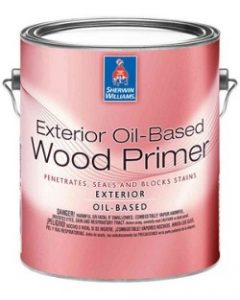
•Exterior Oil-Based Wood Primer: Especially useful in blocking water discoloration and other stains. Most used on hardboard, rough-sawn siding and trim. Especially for use on redwood and cedar and wood with knots.
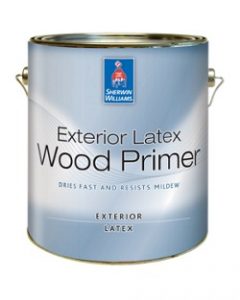
•Exterior Latex Wood Primer: Provides a bonding coat but is not designed to block stains such as those caused by wood knots. Best used on fir, plywood and other softwoods.
Masonry:
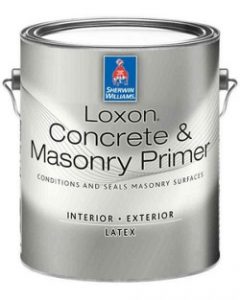
•Loxon Concrete & Masonry Primer: Seals and adheres to concrete, brick, masonry and fiber cement siding. Fills pinholes and surface imperfections will give the top coat and surface to bond to.
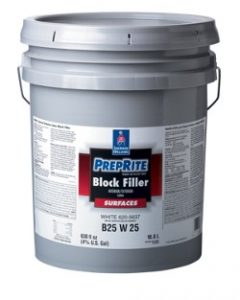
•PrepRite Block Filler: For use on masonry, concrete and cement. Fills small cracks and holes to promote a more uniform finish. Especially useful on cinder block.
Metal:
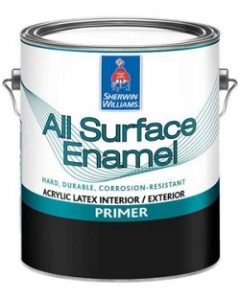
•All Surface Enamel Primer (Oil & Latex): Provides a durable bonding coat to many surfaces such as aluminum and steel. Works great on metal front doors or metal railings.
Specialty Primer:
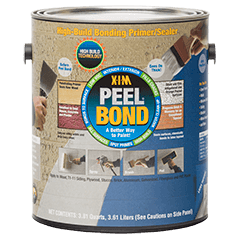
•XIM Peel-Bond: Self-leveling primer that is applied very thick to achieve a level and uniform appearance after the latex top-coat. This primer is especially useful on older homes with a lot of old, cracked, peeling paint. Everyone knows the uneven appearance that can occur on an older home after peeling off failing paint– Peel-Bond is the solution.
If you’re interested in learning more about the services we offer, you can look at our pricing page here, give us a call, or click the link below!